There is a difference between a reseller and a curator. I realized this when I found myself very disappointed with an online purchase I had made. It was not so much with the item itself, but with the treatment and handling of it. I will not divulge what it was, deliberately, to let it remain ambiguous. But when, as a vintage seller, you are sourcing items online, there can be very different standards of what is considered “excellent condition.” For example, something that came in the mail to me had an awful lot of dirt bedded into the fabric, despite being described as “excellent.” It took me two washings and rinses just to get it clean, and there was a minor repair that needed to be addressed before it could ever be listed.
I could have returned the item for a full refund, but I saw the beauty and value beneath the mistreatment. It felt like a rescue—giving a new home to a cherished object that had simply been forgotten. I have the skill set to restore these pieces to nearly their former glory, and it is a true joy to watch that transformation. It gives me pleasure to know that I strive for that same standard of excellence in both of my shops: Copse and Spinney Gifts and Natural Posh Vintage.
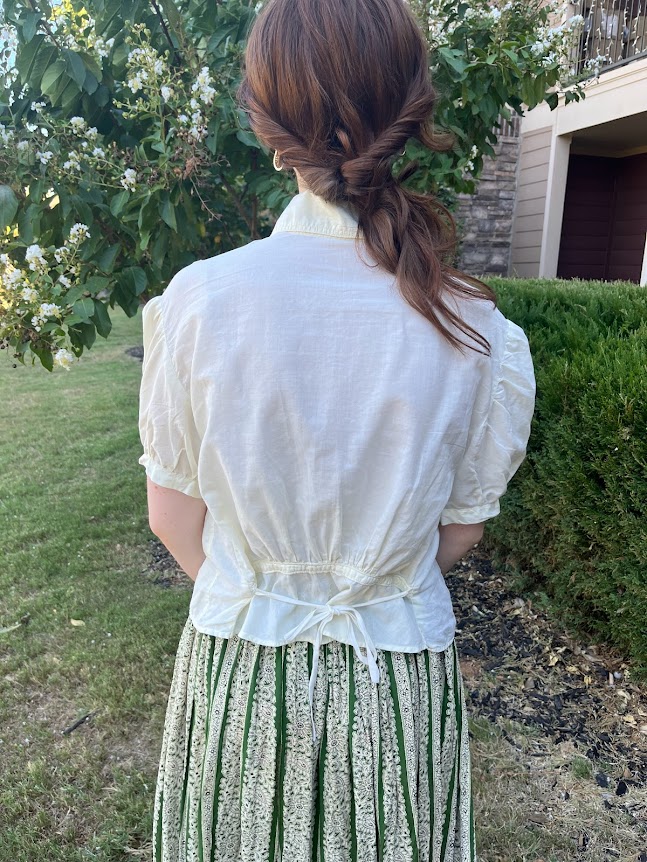
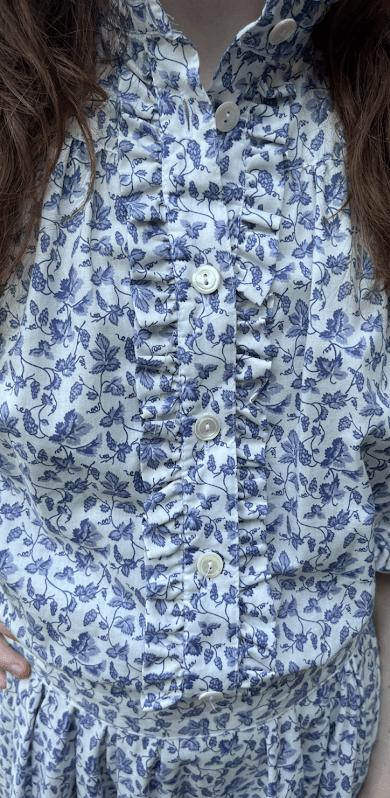
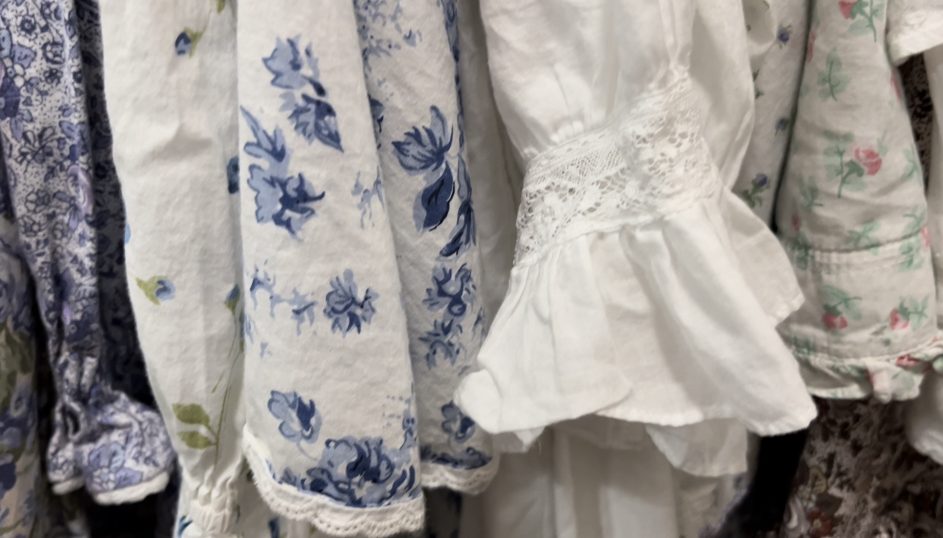
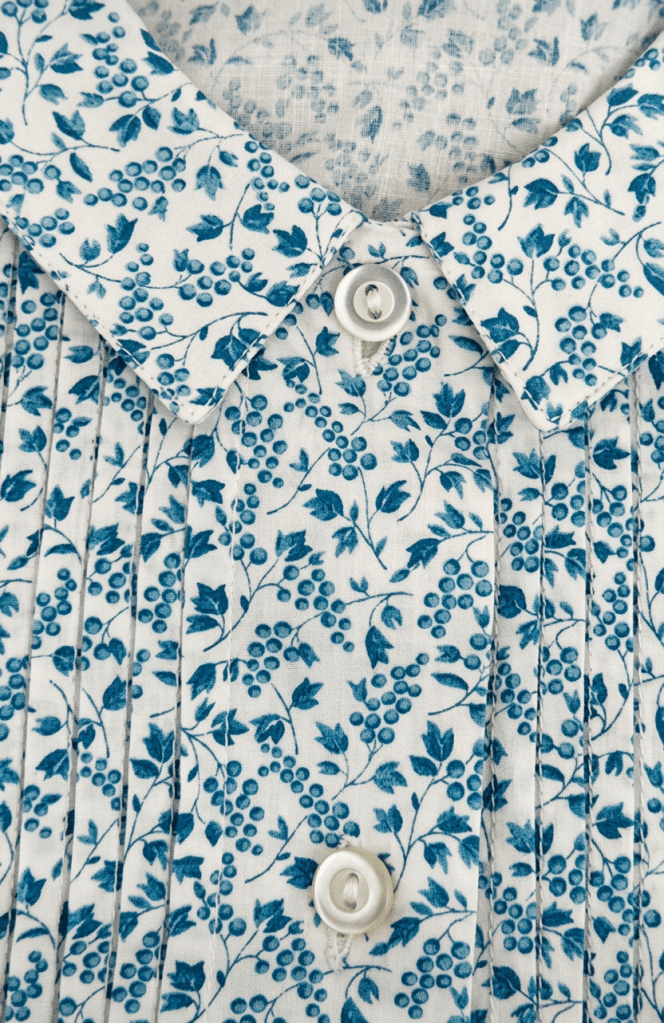
Styles may change, but usually people’s preferences and personalities usually do not. I remember visiting the home of a friend of my mom’s when I was little and was completely drawn to the parlor room, which had a seating area with French Provincial furniture and a cream-colored piano with gold highlights. That special room had an air of mystery and fancy that would envelop the imagination of any little girl. These early childhood moments would dot the neural pathways, connecting similar experiences throughout my life to eventually create “taste” and “preferences.”
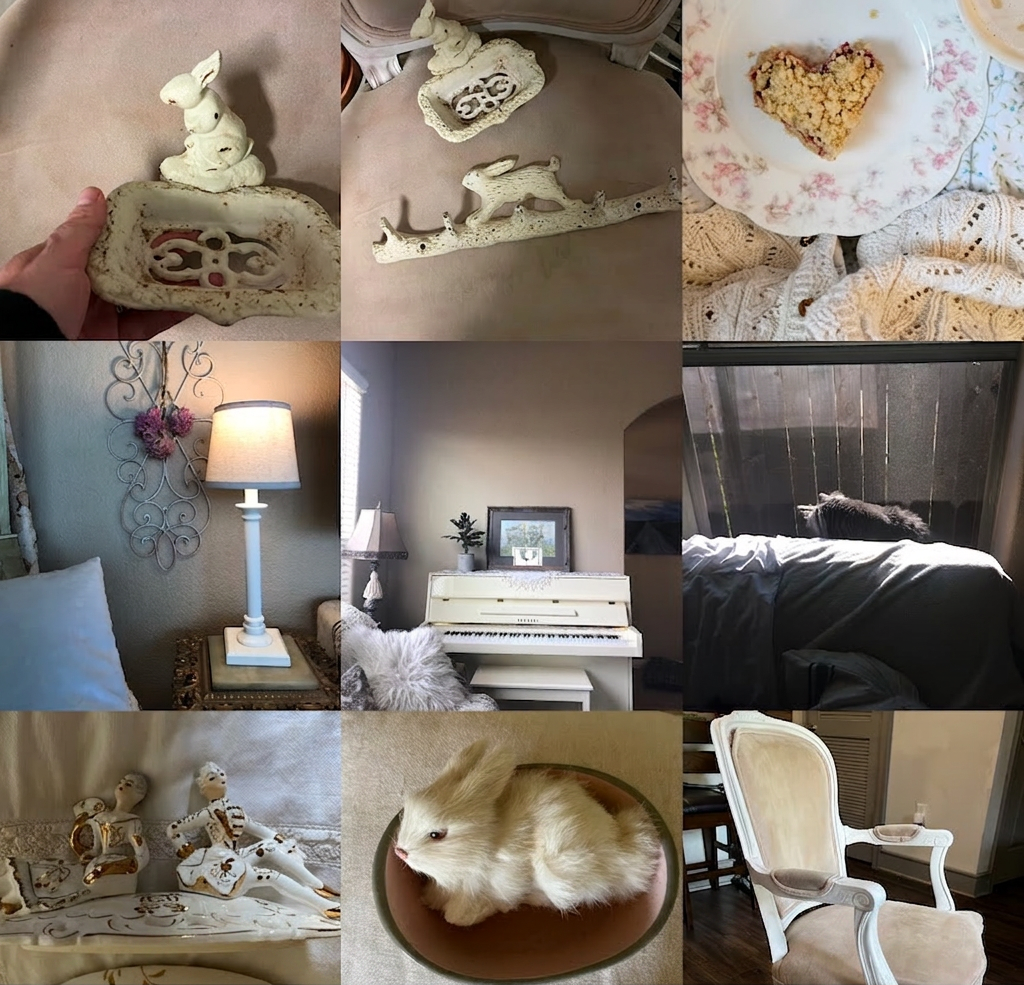
Eventually, we settle into what we “like” as an aesthetic. A curator is confident in the aesthetic they are building and is ruthless about editing out what does not fit.
As I look back on how my taste evolved, I often think about the retail landscape of my youth. Consider the Victoria’s Secret of the mid-1980s. When I first stepped into their shop during that era, it felt truly magical—there was beautiful furniture, delicate pastel floral wallpaper, and the faint, elegant sound of classical minuets playing in the background. It was tasteful, elegant, and felt regal.
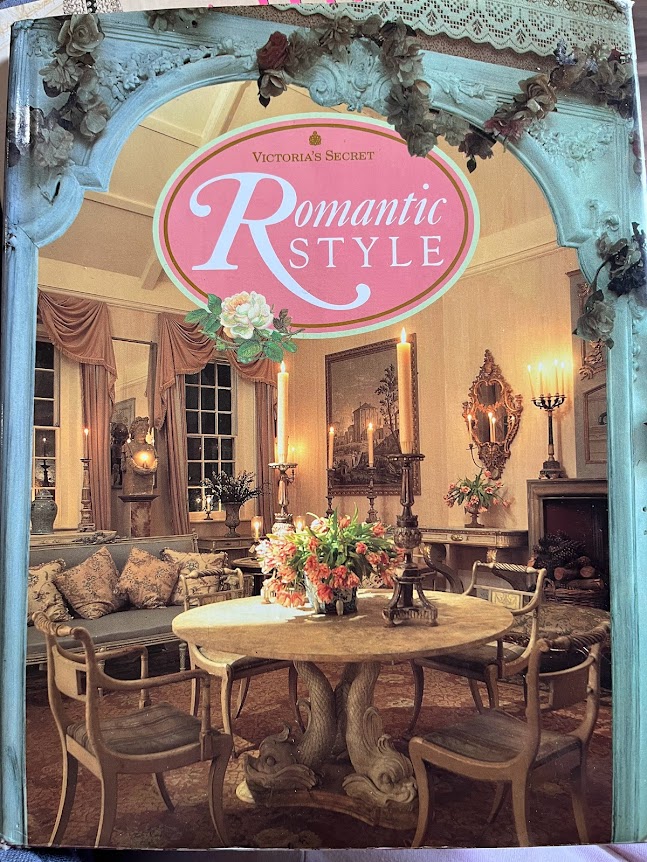
It felt like a secret that Victoria carried—a wedding trousseau with a vintage appeal.
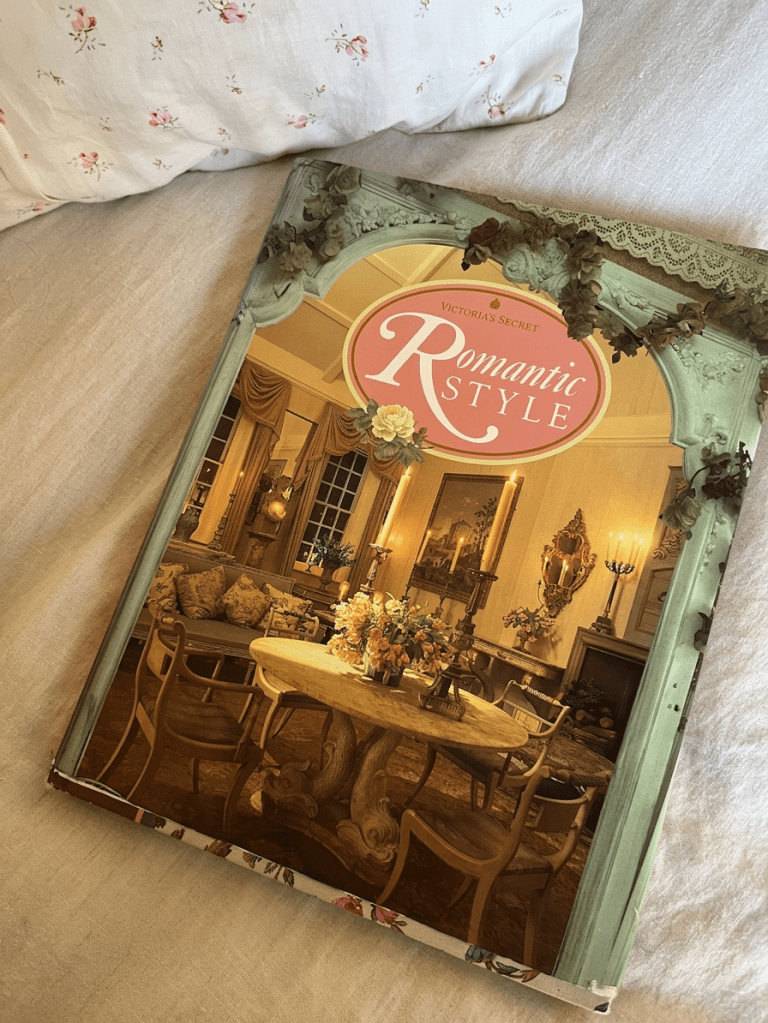
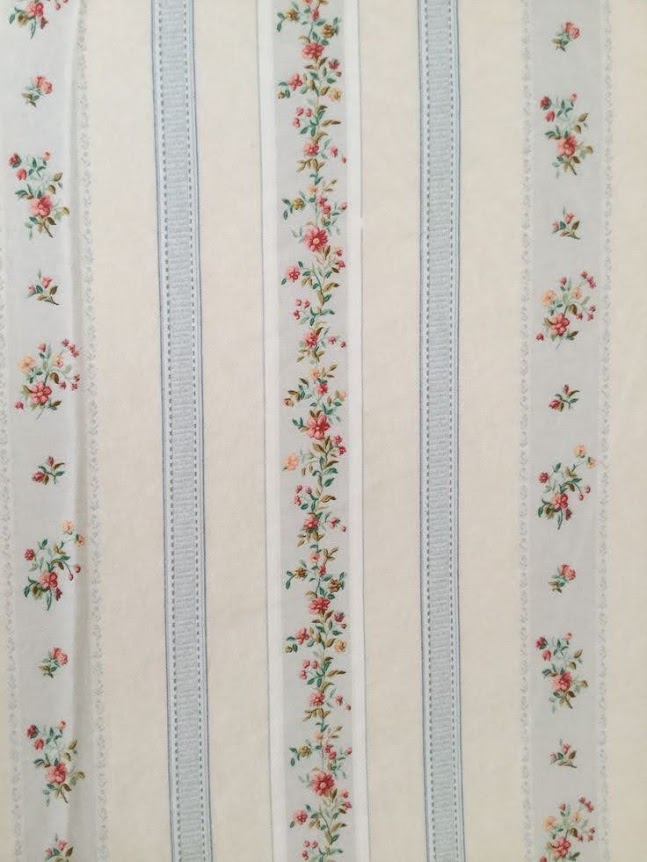
However, as the 1990s arrived, I watched their “re-brand” happen firsthand, and I must admit, I hated it. The quiet elegance was replaced by loud pop music, a heavy “glitter factor,” and an aggressive shift toward a different kind of sensuality that smacked you the moment you walked in. It felt rather jarring to the senses and made one ponder whether they had changed the “secret” they were selling.
I often wonder: if Victoria’s Secret had resisted the pressure to pivot toward the loud, aggressive aesthetic of the 1990s—if they had chosen to stay on that narrow, “secretive” path—would they have remained a beloved, timeless boutique? By abandoning their original, elevated identity to chase a mass marketing trend, they didn’t just change their wallpaper; they lost the very thing that made them a secret worth keeping.
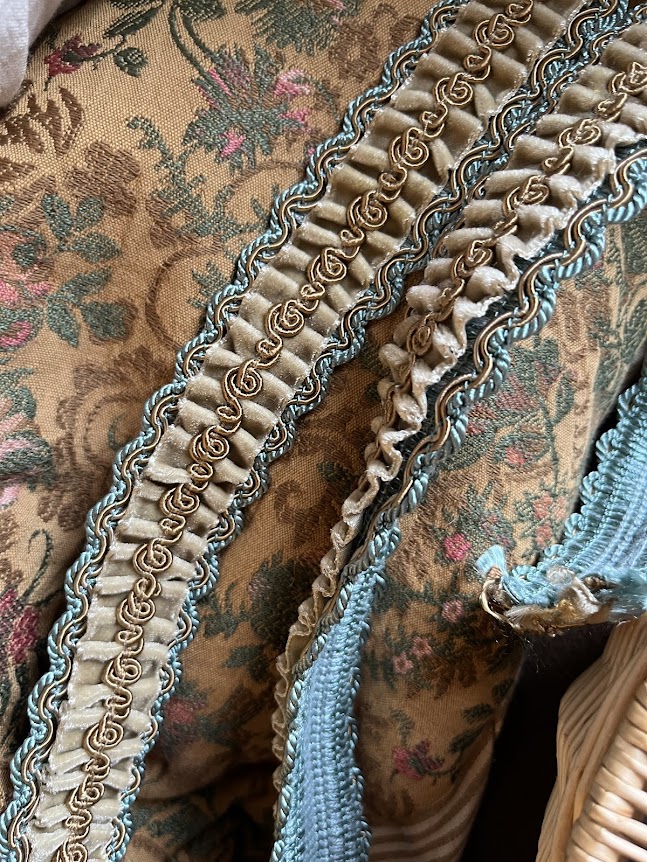
That 80’s sense of elevated retail wasn’t unique to one shop; it was an era of intentionality. Consider the Laura Ashley stores in the 1980’s. Satin bows and tissue-wrapped every single purchase; a full gift-wrapping service; a quiet, vintage boutique-like experience in every dressing room complete with a cherry wood accent chair, wallpapered walls, wooden floors, and neatly folded cardigans on shelves that extended upwards. Everything felt elevated back then. Even fewer may remember the original Scarbroughs (a department store where I purchased patent leather shoes to match the Laura Ashley dresses my grandmother made) or Crabtree & Evelyn stores with all the beautiful soaps, creams, botanical print boxes, and robes on fancy hangers.
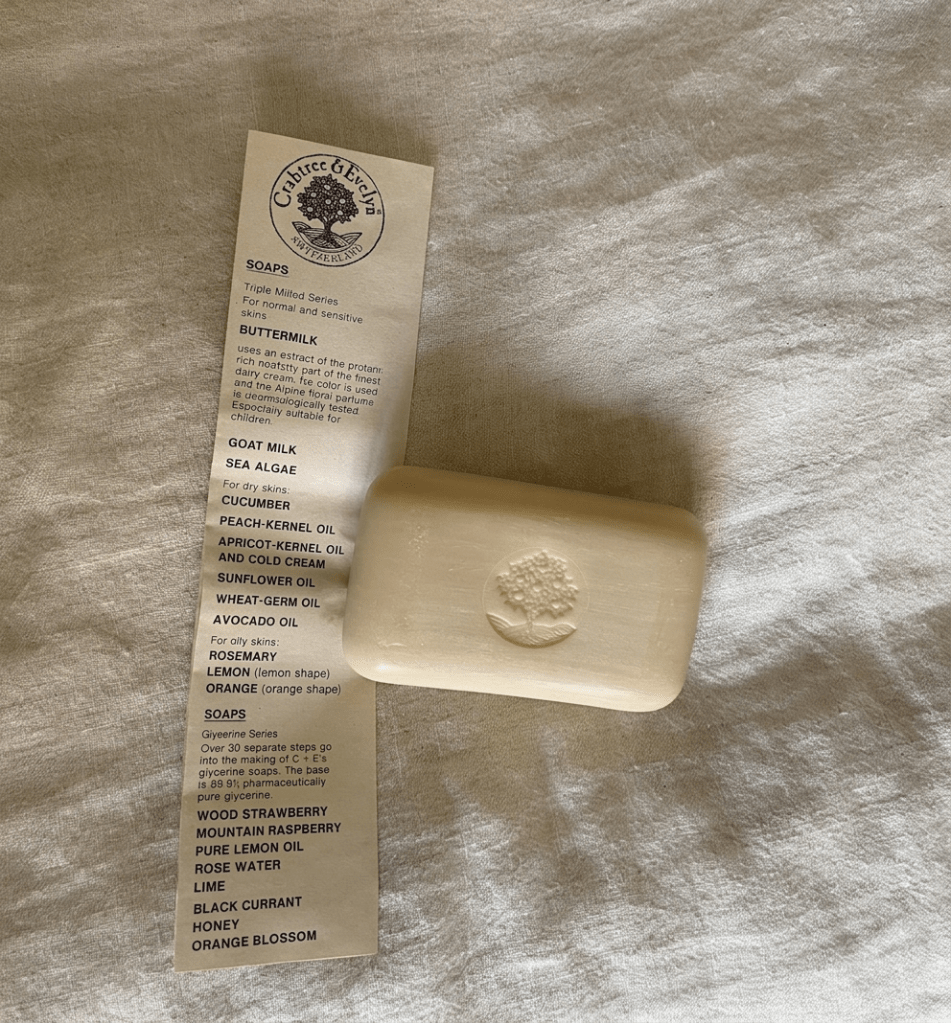
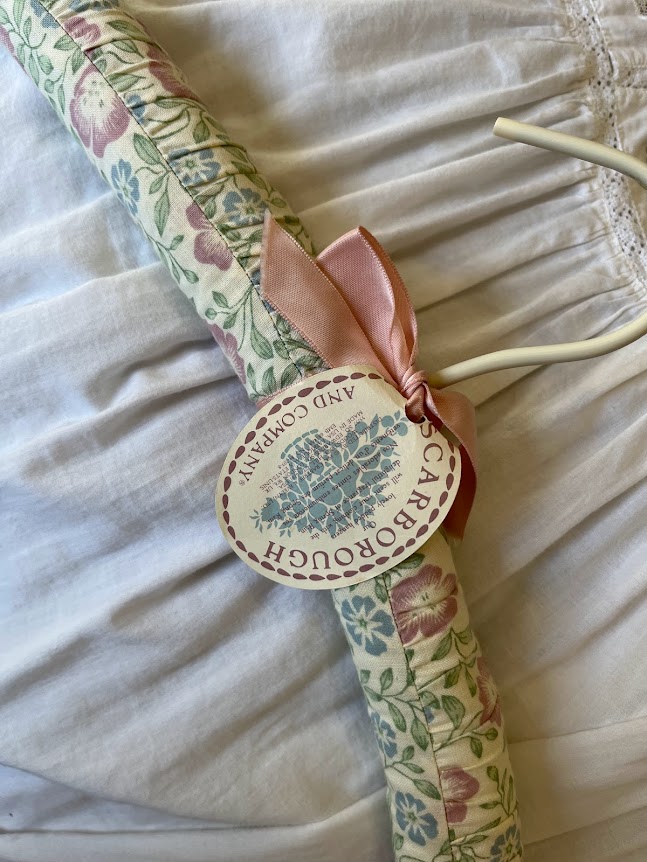
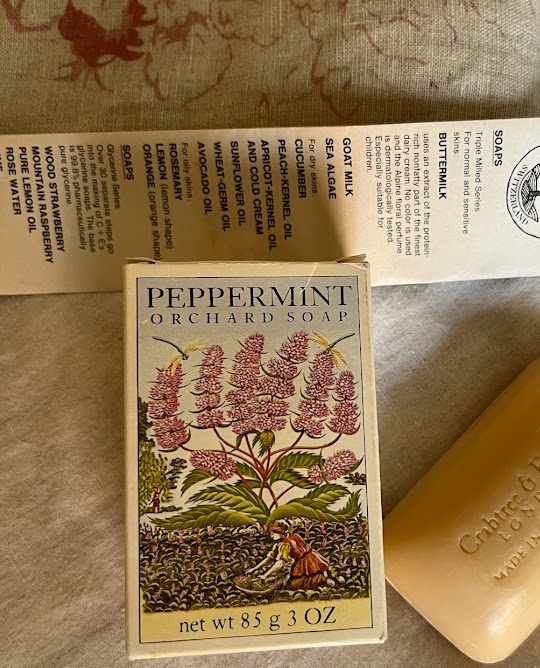
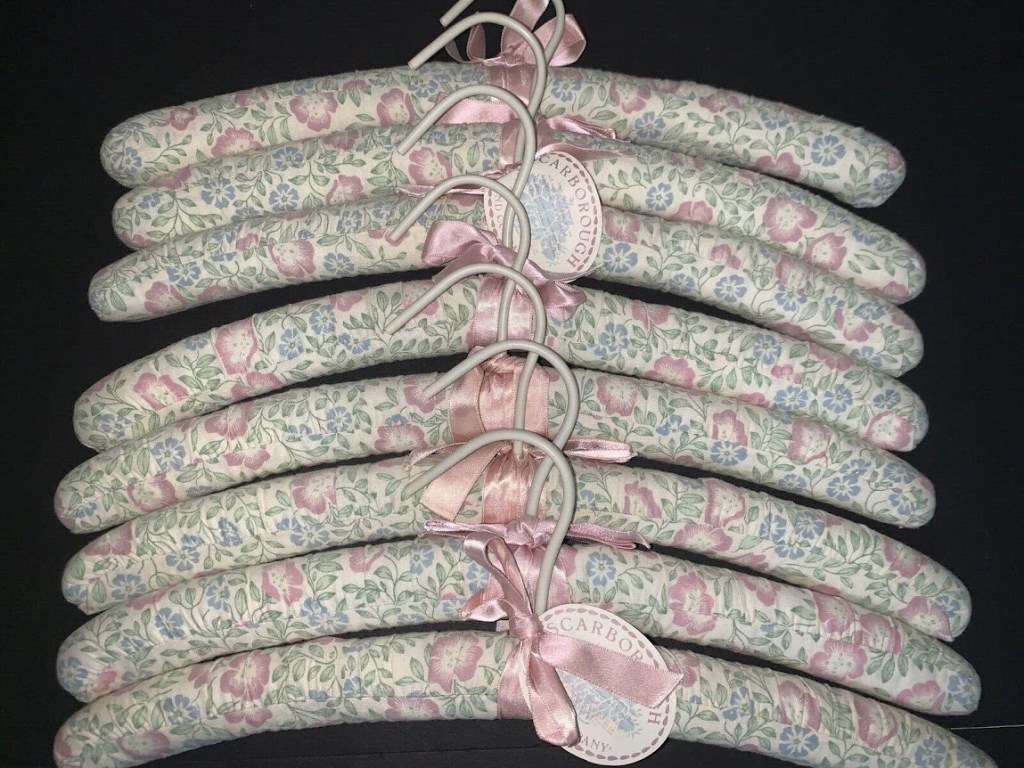
Why I decided to curate vintage clothing
I came across a lovely thrifted 1980s Laura Ashley pinafore in the mid-2000s. It reminded me of the stores I had visited with my grandma so many years before—the same grandmother who had made the dresses I wore as a teen from McCall’s Laura Ashley patterns. I recalled the elegant window displays, the flooring, and the rows of floral dresses. It felt so different from the modern Laura Ashley items available at T.J. Maxx, with their crowded aisles and picked-over selection. I snapped up the dress like it was my best-kept secret and thought silently, “Wouldn’t it be neat to recreate the feeling of the original Laura Ashley store in a vintage boutique?” And so, I dreamed a little dream.
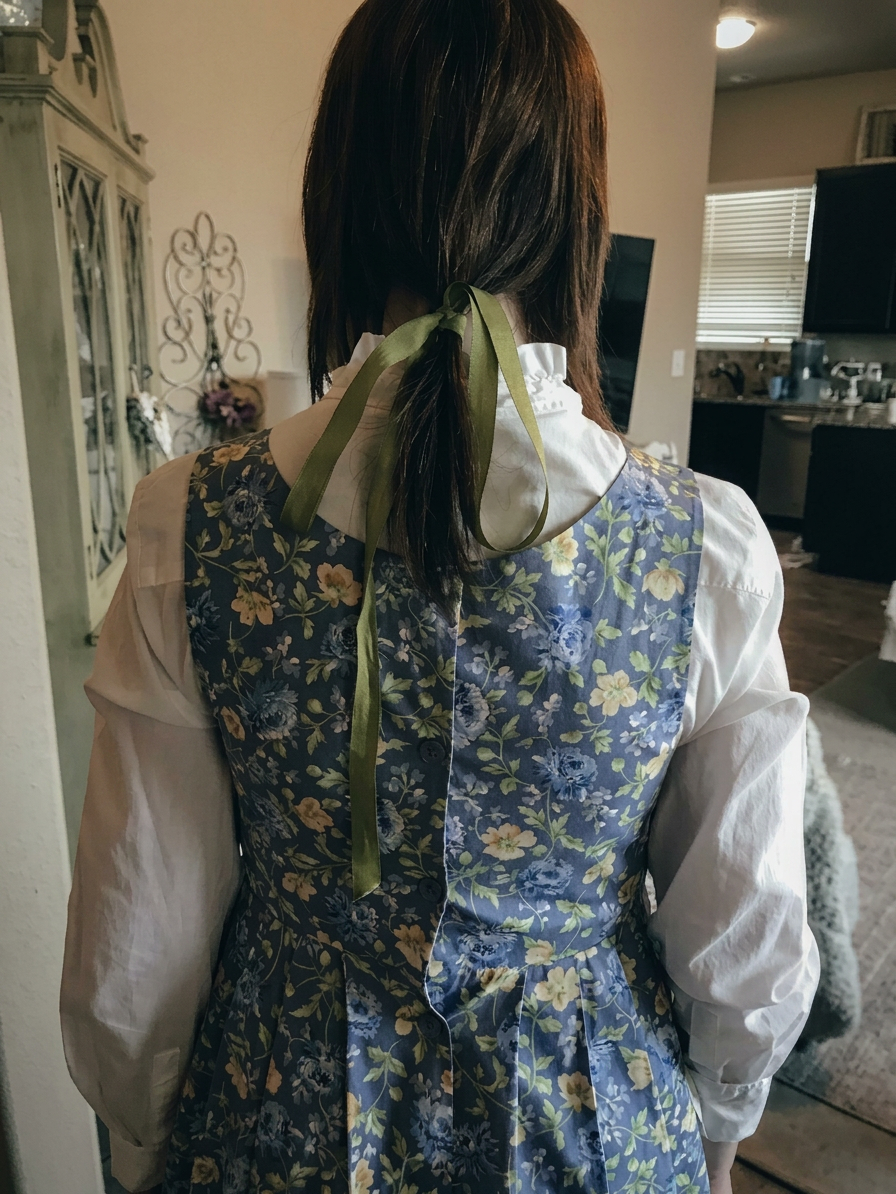
Although it did not come to pass in the same way that I had envisioned—with a storefront complete with hardwood floors and crown molding—I knew I was onto something. It was like a gentle foretelling or premonition of the cottage core movement that would come in a few years. Here and there, I collected a few things, and now, we have Natural Posh Vintage.
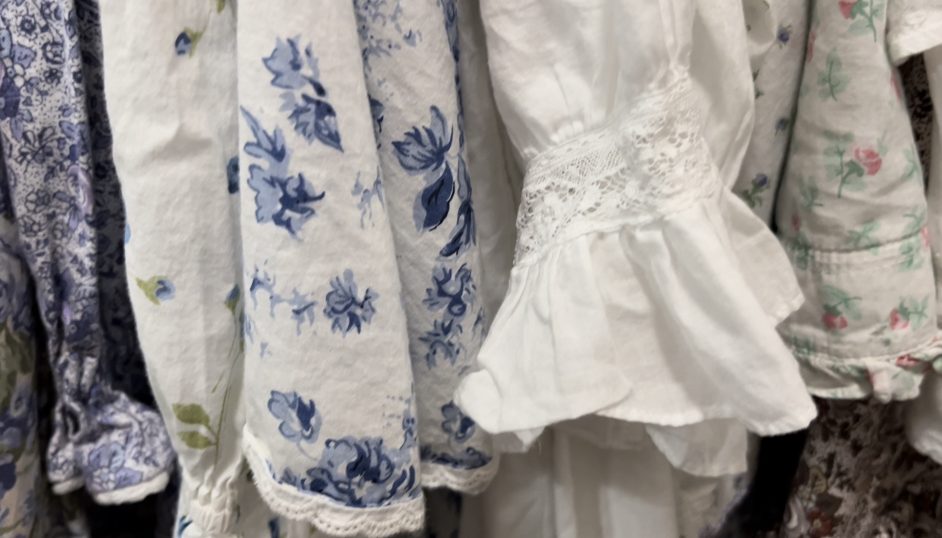
I have had to discipline myself to pare back when something feels just wrong for the shop. I’ve learned to say no and stay within a budget. Most importantly, I want my customers to feel as if they have had a beautiful experience from beginning to end—a secret, curated moment that stays with them long after the package arrives.
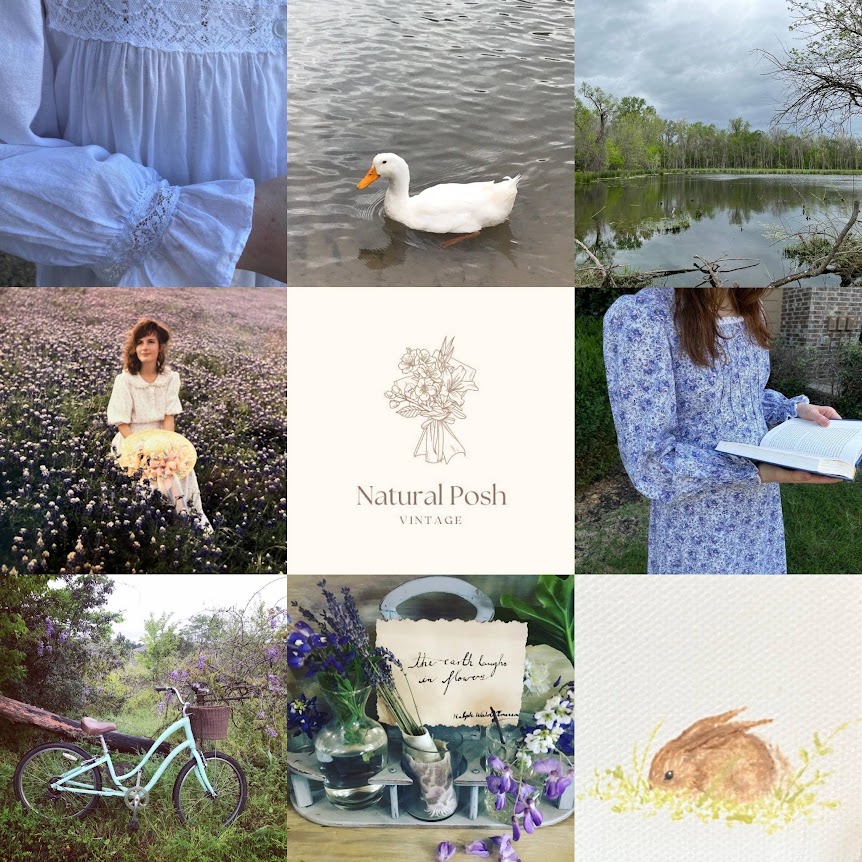
Do you have a specific store or space from your childhood that shaped your own aesthetic? A place that felt like it held a secret, just for you? I’d love to hear your memories in the comments.
 Copse and Spinney
Leave a comment